
TRANSLATE THIS GUIDESelect your language
Automatic translation
SELECTED GUIDE

Steve Koffman’s Complete Southwest Florida Real Estate Guide

The complete topic is displayed directly below.

← Back to Directory
WHEN IT IS YOUR HOME, EXPERIENCE MATTERS!239-229-6152
WILDLIFE IN THE WATERFRONT CITY

Cape Coral owls, eagles, tortoises and invasive species

Use the City’s public protected-species map as a planning resource, learn what you may encounter around a property and know when to stop work or contact wildlife authorities.

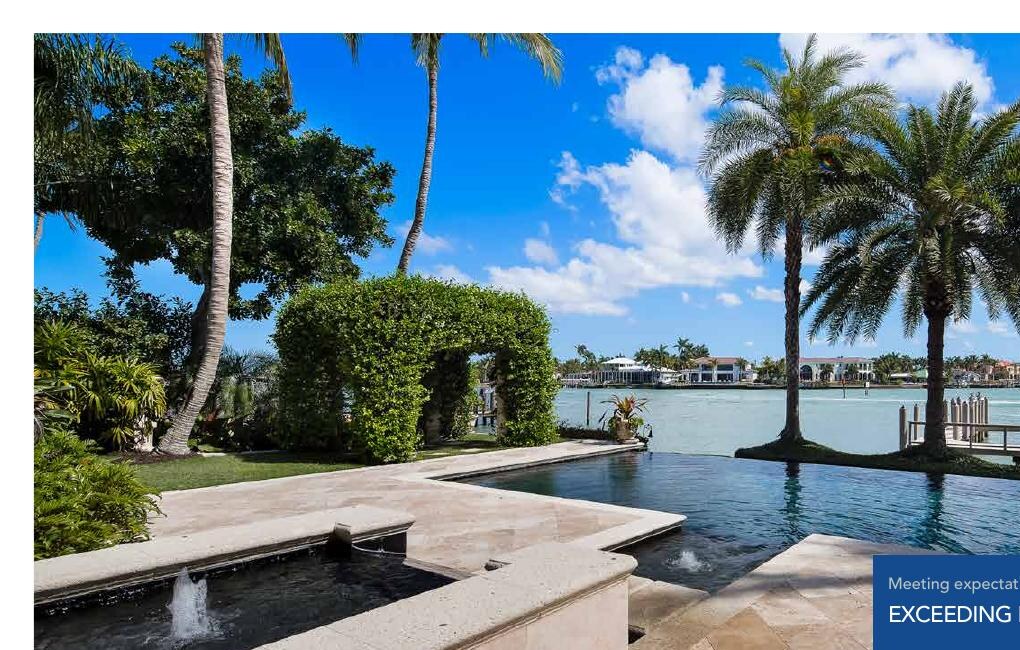
Southwest Florida waterfront home on a canal
Southwest Florida waterfront living
OFFICIAL CAPE CORAL GIS

Protected-species locations

The City’s interactive map includes publicly released wildlife records such as burrowing-owl burrows and active bald-eagle nests. Locations are updated as reports are received, but no map can prove that a parcel is clear of protected wildlife.

  • Stay at least 33 feet from an owl nest while viewing
  • Stay at least 330 feet from an eagle nest while viewing
  • Never feed, touch or harass wildlife
  • Obtain a professional environmental review before site work
Open full protected-species map ↗

If the official City map does not load inside this page, use “Open full protected-species map.”

PROTECTED LOCAL ICONS

Burrowing owls and bald eagles

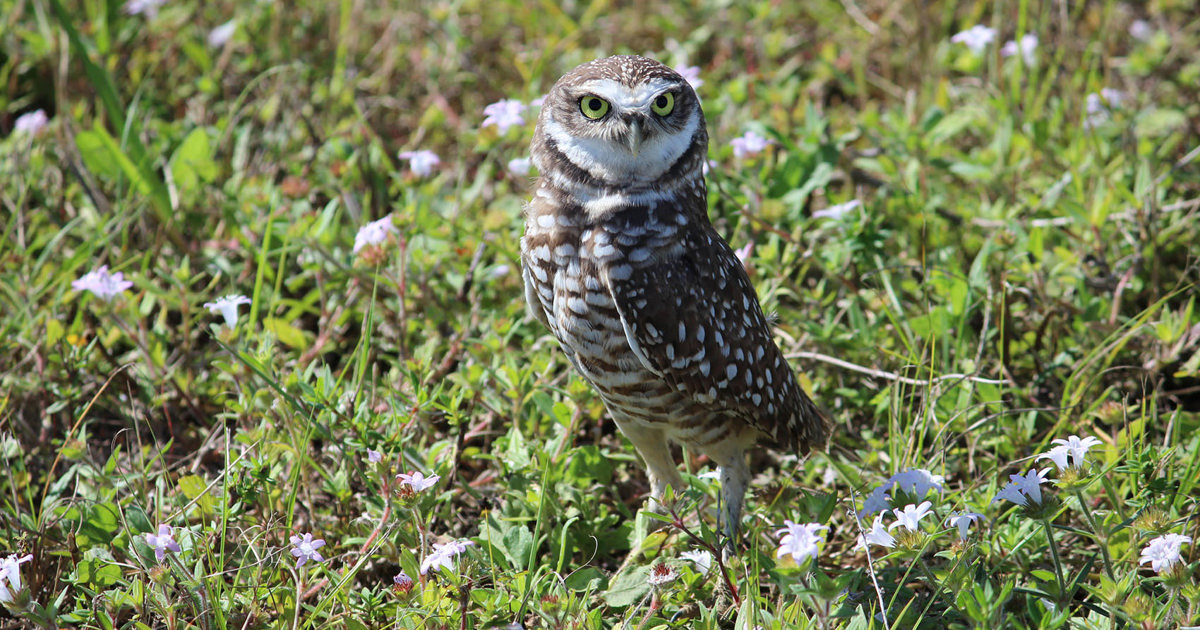
Florida burrowing owl standing near its burrow
FLORIDA THREATENED SPECIES

Burrowing owl

Cape Coral’s official city bird lives and nests in ground burrows, often on open lots. The City reports more than 3,500 burrows. Typical breeding season is February 15–July 10, though activity can occur outside those dates.

City owl guidance ↗
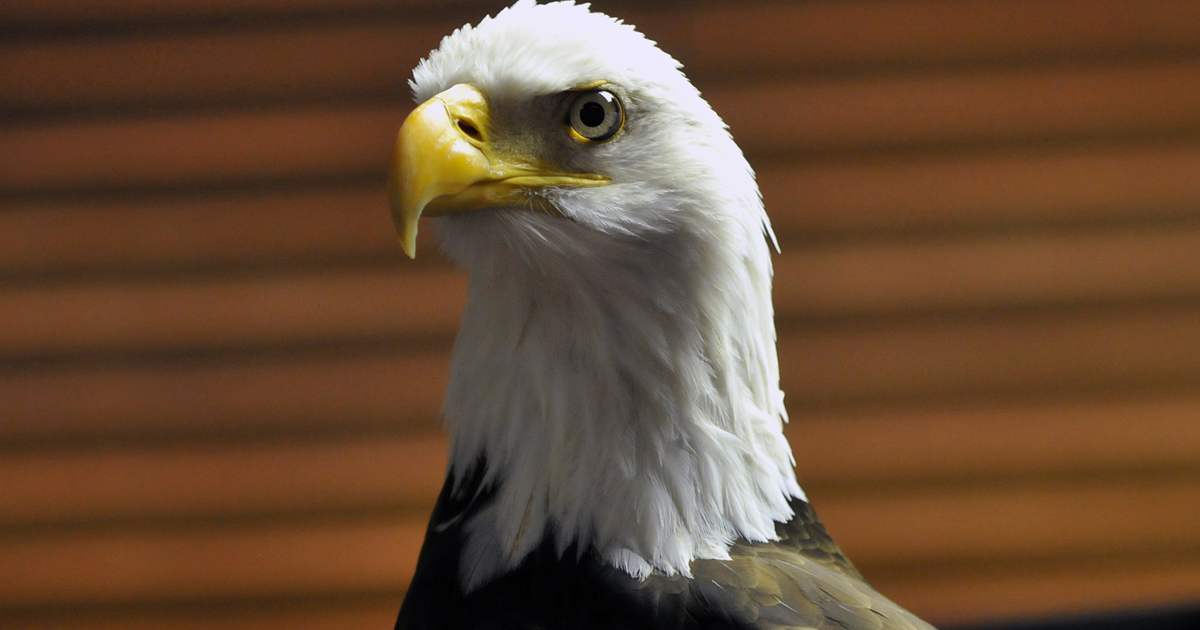
Adult bald eagle perched outdoors
STATE & FEDERALLY PROTECTED

Bald eagle

Florida eagles commonly nest near coastal and inland waters, often in large pines. Nesting season is generally October 1–May 15. Land-use activity near an eagle nest can require federal review or permitting.

FWC eagle guidance ↗

Wildlife photographs: Florida Fish and Wildlife Conservation Commission.

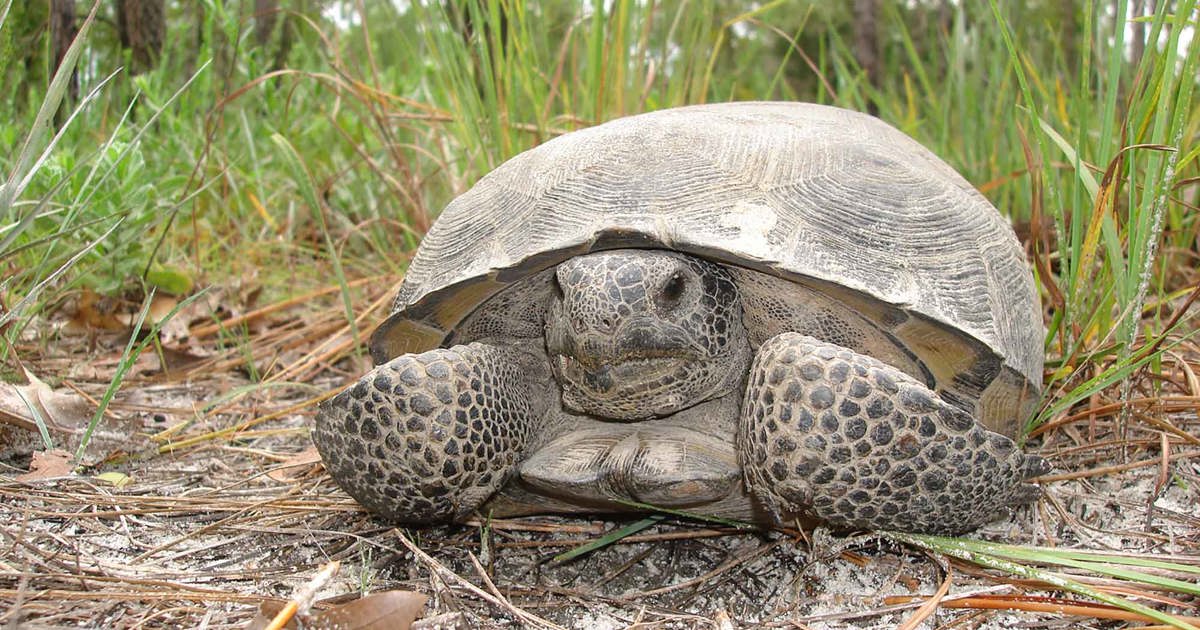
Florida gopher tortoise walking through upland habitat
A PROTECTED KEYSTONE SPECIES

Gopher tortoise

Gopher tortoises dig deep burrows that provide shelter for more than 350 other species. Both the tortoise and its burrow are protected under Florida law. They cannot be relocated casually or moved to another lot.

Before clearing or building:Stop and obtain qualified review if a tortoise or possible burrow is present. FWC says suspected unpermitted development activity within 25 feet of a burrow should be reported to Wildlife Alert.
NONNATIVE & INVASIVE REPTILES

Know what you are seeing—and report it

Do not approach, corner or attempt to capture a large reptile. Photograph it safely, record the location and date, and report sightings through FWC.

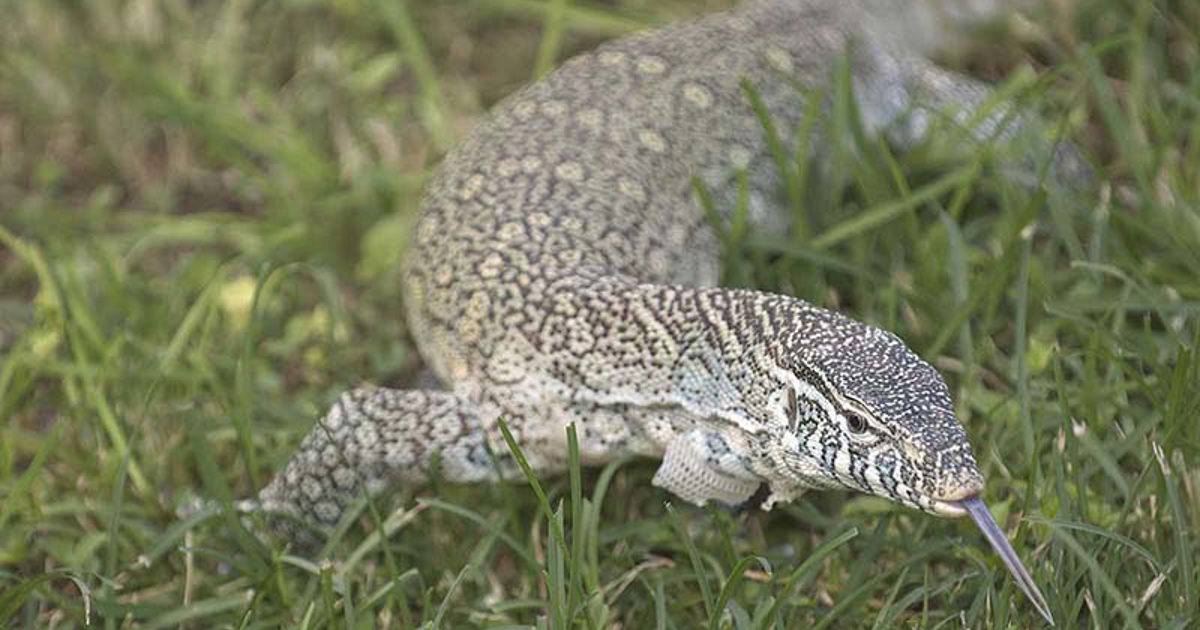
Nonnative Nile monitor lizard
INVASIVE · SEMI-AQUATIC

Nile monitor

Large olive-to-black lizard with cream/yellow markings, banded body and a long rudder-like tail. Cape Coral has been a focal area for established monitors, which can prey on native wildlife.

FWC identification profile ↗
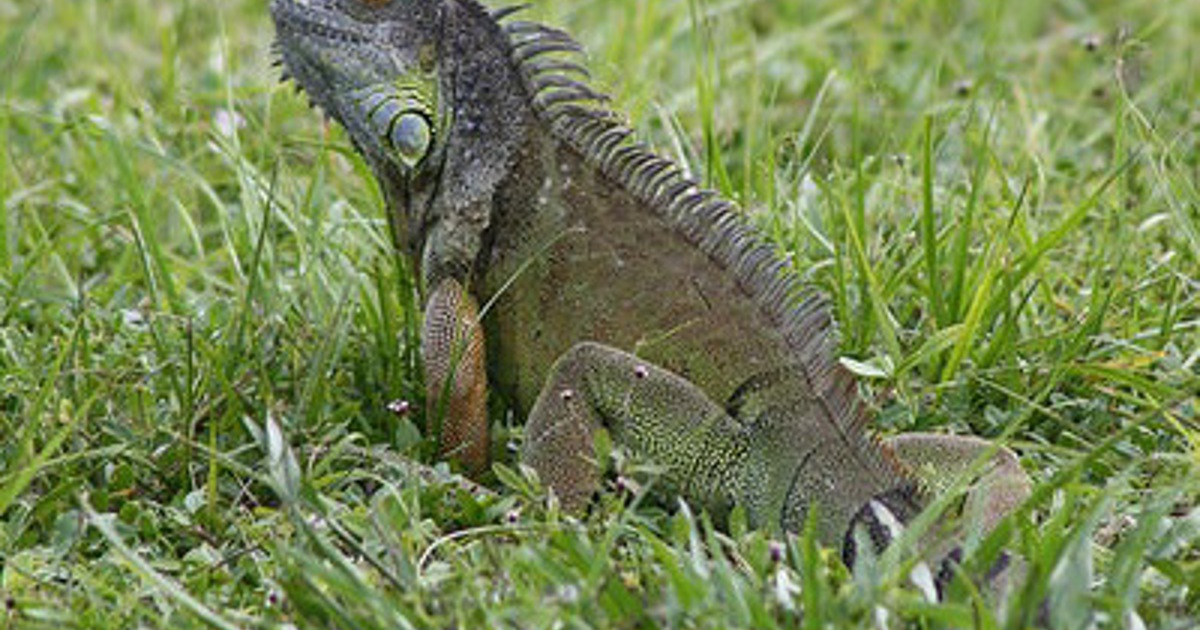
Nonnative green iguana
NONNATIVE · BURROWING

Green iguana

Usually recognized by a dorsal crest, long tail and large cheek scale. Iguanas can damage seawalls, sidewalks and landscaping by digging burrows.

FWC identification profile ↗
Other nonnative species to recognizeArgentine black-and-white teguBrown basiliskCommon agamaBurmese pythonEgyptian gooseMuscovy duck
Property and wildlife due diligence

Public map points are not a survey, environmental inspection or statement that a nest or burrow is currently active. Records can be incomplete, animals move and legal buffers depend on the species and proposed activity. Before buying, clearing, mowing, grading or building, obtain current guidance from the City, FWC and a qualified environmental professional.

PERSONAL WATERFRONT HELP

Considering a Cape Coral property with wildlife nearby?

Steve can help keep environmental review, protected-species questions and development plans visible during property due diligence.