TRANSLATE THIS GUIDESelect your language
Automatic translation
SELECTED GUIDE

Steve Koffman’s Complete Southwest Florida Real Estate Guide

The complete topic is displayed directly below.

← Back to Directory
WHEN IT IS YOUR HOME, EXPERIENCE MATTERS!239-229-6152
RENTAL PROPERTY GUIDE

Short-Term & Long-Term Rentals

Understand Cape Coral registration, vacation-rental requirements, transient taxes, long-term landlord duties and the restrictions that can determine whether a property works as an investment.

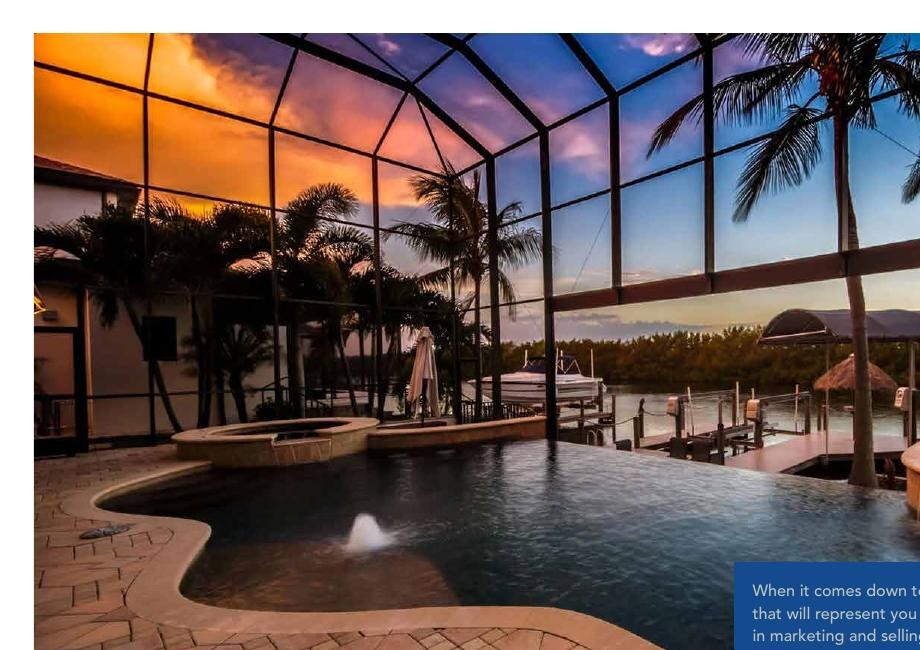
Southwest Florida canal home and boat at sunset
Cape Coral waterfront lifestyle
Rules reviewed September 14, 2026Confirm again before purchase, advertising, booking or lease execution.
LONG-TERM RESIDENTIAL

More than six months

$35 annual City registration fee
  • Cape Coral requires annual registration and renewal for residential rental property.
  • The City classifies a rental period greater than six months as long term.
  • Use a Florida-compliant written lease and follow Chapter 83 requirements for deposits, notices, maintenance, access and termination.
  • Screen occupants consistently and comply with fair-housing, disability-accommodation and applicable disclosure rules.
  • Florida law now includes a residential flood-risk disclosure provision; consult current legal guidance before leasing.
Cape Coral registration ↗
SHORT-TERM / SEASONAL

Six months or less

$350 annual City registration fee
  • Cape Coral currently states a six-night minimum stay for short-term rentals.
  • Annual City rental registration and renewal are required.
  • Vacation rentals also require a Cape Coral Local Business Tax Receipt and applicable Florida DBPR licensing.
  • Transient stays generally require Florida sales tax and Lee County Tourist Development Tax collection and remittance.
  • Advertising platforms may collect some taxes, but the owner remains responsible for confirming what is—and is not—remitted.
Vacation-rental business requirements ↗
CAPE CORAL CHECKLIST

Before accepting a reservation

The following items should be verified for the exact property and ownership structure.

1

Check private restrictions first

Read the recorded declaration, amendments, rules and lease-approval requirements for every HOA, condominium or gated community. Private restrictions may be more limiting than City rules.

2

Register with Cape Coral

Complete the annual residential rental registration under Cape Coral Code §12-129 and accurately identify the rental type. Current City fees differ for long- and short-term rentals.

3

License the vacation rental

For short-term operation, confirm Florida DBPR licensing and obtain the City Local Business Tax Receipt before advertising or hosting guests.

4

Set up tax accounts

Register as required for Florida sales tax and Lee County’s 5% Tourist Development Tax. Confirm whether each booking platform or manager remits each tax.

5

Verify operating rules

Confirm minimum stay, occupancy, parking, noise, trash, pool-safety, fire-safety, emergency-contact and advertising requirements in effect on the booking date.

6

Insure the actual use

Obtain written confirmation that homeowners, flood, wind and liability coverage permits the intended rental frequency. Standard owner-occupied coverage may not protect rental activity.

LEE COUNTY TOURIST DEVELOPMENT TAX

5% of gross transient rent

Lee County states that the dealer must collect and remit the 5% tax on consideration for accommodations rented for six months or less. Mandatory fees can be part of gross rent. Even when an agent or platform handles collection, the owner should verify compliance because ultimate liability can remain with the owner.

Lee County TDT guidance ↗
FLORIDA TRANSIENT RENTAL TAX

State and surtax obligations

Florida applies state sales tax plus applicable discretionary surtax to living or sleeping accommodations rented for six months or less. Tax treatment and filing responsibilities can depend on the lease and collection arrangement.

Florida DOR rental-tax guide ↗
FURNISHINGS & EQUIPMENT

Tangible personal property

Furniture, appliances and other assets used in a rental may create an annual tangible-personal-property filing obligation. Verify current exemptions, deadlines and reporting with the Lee County Property Appraiser or tax professional.

Lee County tangible-tax overview ↗
LONG-TERM LANDLORD BASICS

A lease is only one part of compliance

  • Handle security deposits and advance rent under Florida Statutes §83.49, including the required written notice and claim procedures.
  • Maintain the property as required by applicable codes and §83.51.
  • Follow statutory notice, access, termination and eviction procedures; do not use self-help lockouts or utility shutoffs.
  • Use consistent written screening criteria and comply with federal, state and local fair-housing requirements.
  • Verify licensing rules for any property manager or leasing agent and document management responsibilities.
Florida Landlord–Tenant Act ↗

Important: This guide is general information, not legal, tax, insurance or property-management advice. Rules can differ in Cape Coral, unincorporated Lee County, Fort Myers, Fort Myers Beach, Sanibel, Bonita Springs and other municipalities. Verify the property’s jurisdiction, zoning, licenses, tax accounts, association documents and current law with the responsible agencies and qualified professionals.